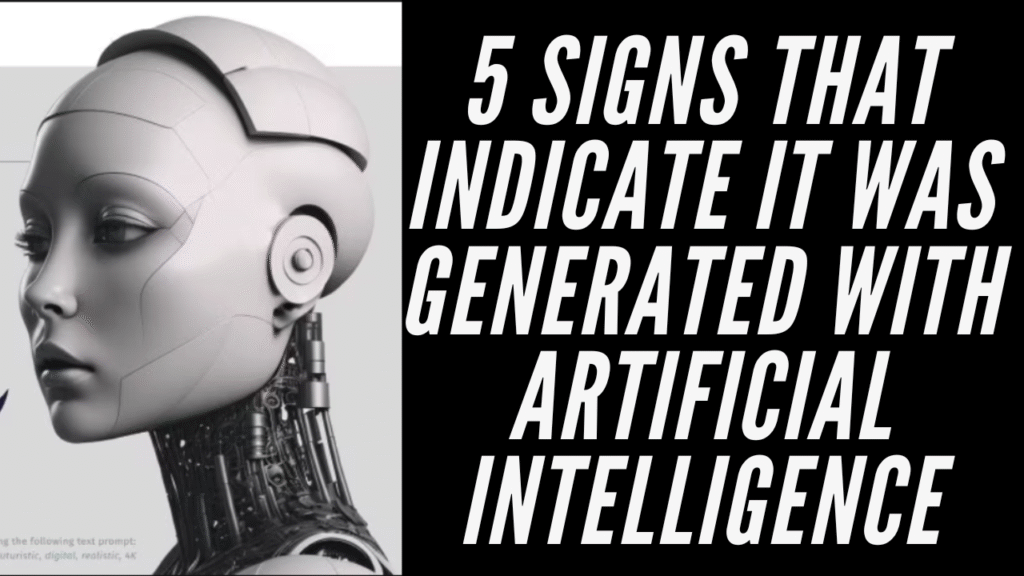
AI-generated videos have begun to proliferate across digital platforms like TikTok, YouTube, and Instagram, dazzling users with scenes that appear remarkably realistic but are, in fact, entirely fictional and fake. The availability and ease of use of advanced AI models such as OpenAI’s Sora 2 and Google’s Nano Banana have contributed to the spread of these fake videos. These models are capable of producing highly realistic scenes with high-resolution audio synchronization and the seamless integration of famous or historical figures, making them appear almost real.
Because nowadays, any video you see while browsing social media could be a fake, created by AI tools, it has become essential to know how to distinguish real videos from AI-generated ones. This is what we will explain below.
Signs You Can Spot a Fake Video
Here are 5 signs that indicate a video you’re watching is AI-generated:
1. Visual Flaws or Blurring
The most obvious sign of a fake is visual inconsistencies. If you look closely at the video, you might notice illogical things, such as an animal suddenly changing shape, extra limbs appearing, or parts of the scene fading or becoming blurry.
On the other hand, examine the shadows, reflections, and lighting to see if they are all consistent. Sometimes, fake videos may show distorted faces in the background, objects disappearing and reappearing suddenly, or text on objects appearing distorted and illegible.
2. Low Quality
Videos with unusual and interesting content but low resolution are often fake. In the age of high-definition cameras, why would these clips look like old, low-quality recordings?
Examples include low-quality fake clips of famous speeches with obvious blurring, or footage of storms or UFOs with illogical details. If a video seems overly attention-grabbing but has low quality and a lot of noise, it may be fake.
3. Unnaturally Perfect Appearance: Scenes in a fake video may appear unnaturally perfect, such as people with flawless, poreless skin or unusually cinematic lighting. While these videos are sometimes easy to spot, many people believe them due to the high production quality.
4. Audio Synchronization Issues: Pay attention to whether mouth movements match speech. Subtle differences in timing or lip shape that doesn’t match the voice can reveal a fake. Many fake videos of politicians or celebrities suffer from this flaw.
Additionally, check the background sounds. Do they sound logical? If the background sounds are inconsistent with the location being filmed, it could be a sign that the video is fake.
5. Unbelievable or Exaggerated Events: When watching a strange video, ask yourself: Is what I’m seeing really possible? Artificial intelligence is adept at creating videos that look captivating but are unrealistic. For example: clips of cats or dogs performing heroic acts or children behaving in a way that is inappropriate for their age. If the clip seems too attention-grabbing or illogical, it is most likely fake.
Google Photos launches cartoon photo conversion feature in Egypt and Turkey
Google has begun rolling out its Remix feature within its Google Photos app to users in Egypt and Turkey, as part of a broader expansion that includes several countries. This follows its initial release via a side update last August.
The feature allows users to transform photos stored in the app into cartoon versions using artificial intelligence (AI) technology, supporting a wider range of artistic styles.
Google announced Remix as part of its new suite of AI-powered tools for the Photos app, which also included a photo-to-video converter and other features.
Remix allows users to create cartoon versions of their photos directly within the Photos app, a method easier than using Gemini’s text-based tools. The feature remains completely free.
The new styles include a variety of artistic options such as watercolor, 3D drawings, pencil sketches, comics, anime, and more. While the app doesn’t provide official names for each style, some clearly display well-known artistic effects.
Google indicated that Remix will automatically appear for users in the aforementioned regions, without specifying a precise timeframe for the full rollout.
Google announced on its official website that the feature is now available in 13 countries: Argentina, Bangladesh, Brazil, Colombia, Egypt, India, Indonesia, Japan, Mexico, Pakistan, the Philippines, Turkey, and the United States.
Users in these countries now have access to a wider range of conversion options; the number has increased from just four at launch to 13. The feature is also available to all users in the aforementioned countries, rather than being limited to a select group as before.